

Laparoscopic hernia surgery, also known as minimally invasive hernia repair, has changed how we handle hernias. The abdominal wall is repaired by surgeons by making small incisions. The method significantly reduces pain and shortens the time it takes to recover.
A skilled surgeon carries out this procedure, giving patients a safer and better choice than open surgery. With this new approach and positive outcomes, laparoscopic hernia repair is a reliable method for treating several types of hernias while leading to fewer complications.
Key Highlights
- Minimally invasive hernia repair uses laparoscopic techniques to help you recover quickly and feel less pain.
- This procedure makes small incisions instead of a big cut. Scaring and complications are both reduced with this method.
- After surgery, many patients are able to resume their regular routines within a week.
- A synthetic mesh is used for strength, helping to stop the hernia from coming back.
- Before surgery, it is important to keep a healthy weight and follow your doctor’s advice.
- Experienced surgeons work to make sure the surgery is safe, lowering risks and making sure the repair is done well.
Understanding Laparoscopic Hernia Surgery
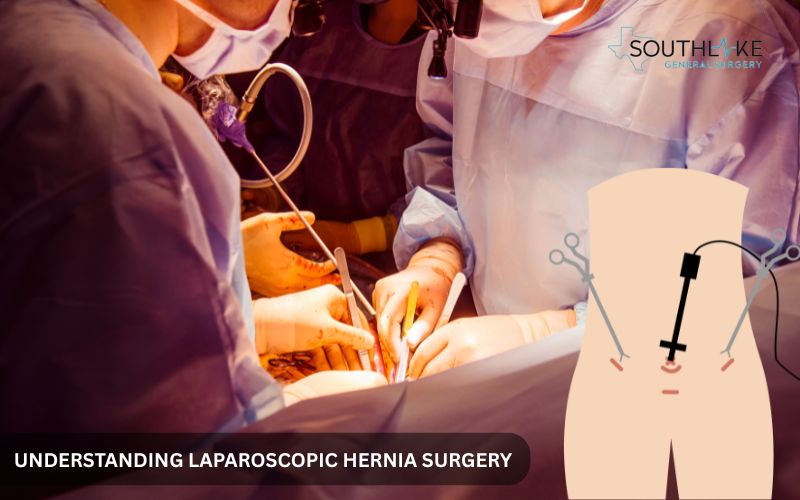
Laparoscopic hernia surgery represents an innovative approach to repairing vulnerabilities in the abdominal wall. It uses several small incisions instead of one big cut. As a result, it can repair the tissue with precision while minimizing injury.
During the procedure, doctors pump carbon dioxide into the abdominal cavity. This helps them see the internal structures better. A faster recovery could be anticipated with the use of smaller incisions and advanced tools. In addition, the risks associated with them are lower than those of open surgery.
What is Laparoscopic Hernia Surgery?
Laparoscopic hernia surgery involves making small cuts to access and repair weak spots in the abdominal wall. This procedure makes use of a laparoscope, a flexible and thin tube. This tube has a miniature camera mounted on it. It displays live images of the abdominal cavity on a monitor. This helps surgeons to move and work accurately.
During the surgery, the abdominal cavity is filled with carbon dioxide gas. This helps create space for the surgeon to do their work while minimizing harm to the surrounding tissues. Surgeons then fix the hernia using stitches or a synthetic mesh to strengthen the area.
This surgery does not require a big cut. This greatly lowers pain, scars, and recovery time. Laparoscopic surgery has the best results when done by skilled surgeons. This helps with a strong repair and makes healing easier for patients.
Why Choose Laparoscopic Surgery Over Traditional Methods?
There are several benefits to laparoscopic surgery over more conventional open procedures:
- Less Pain: One big benefit is that it causes less pain during and after the procedure. This is because it uses smaller incisions. Minimal incisions reduce trauma to neighboring tissues.
- Faster Recovery: Because of this, recovery is quicker and more comfortable. Patients usually are able to go back to their normal lives within a week or two. Compared to the time required for open surgery, this is incredibly rapid.
- Minimal Scarring: There is very little scarring because the incisions are small. This is great for patients who want a better-looking outcome.
- Stronger Repair: In the long term, using synthetic mesh for the repair makes it stronger and more durable.
- Fewer Risks: There are usually fewer complications following laparoscopic surgery. This makes it a safer and more effective choice for hernia repair.
Advantages of Laparoscopic Hernia Repair
Laparoscopic hernia repair has changed the way we do hernia surgeries. This approach makes use of specialized instruments and makes cuts that are rather small. As a result, patients feel less pain and recover faster.
Another good benefit is that patients can return to their daily activities faster. They often have smoother recovery since there is less damage to the tissue during surgery. This is why many people pick laparoscopic methods for effective hernia repair.
Reduced Pain and Scarring
One of the best things about laparoscopic hernia repair is that it can reduce pain and show fewer scars. This surgery is minimally invasive, using small cuts instead of one big cut. The advantages include:
- Reduced Damage to Surrounding Tissues: This method greatly reduces harm to nearby tissues. Hence, less pain after surgery.
- Faster Healing: Small cuts heal quickly. They leave smaller scars than open surgery. This matters for those worried about how their surgery looks.
- Lower Reliance on Painkillers: With less pain during healing, patients might not need as many pain medications. This leads to better results.
- Manageable Post-Surgery Soreness: Some soreness is normal after surgery. But most patients say their pain is easy to manage.
Laparoscopic hernia surgery is a popular choice because it helps reduce pain and gives better appearance results. People looking for effective treatments with fewer side effects often prefer this method.
Quicker Return to Daily Activities

Patients who have laparoscopic hernia repair often return to their normal activities quickly. This is because of smaller incisions and less damage to the tissues. As a result, recovery time is shorter than with regular surgeries. Many patients can begin light daily tasks just a few days after the procedure.
Some benefits include:
- A faster recovery allows you to return to work sooner.
- To maintain a healthy weight, you should try to do light exercises.
- Less downtime means you can return to your regular routines fast.
But patients should avoid heavy lifting or hard activities. These can put stress on the surgical repair. It is important to increase activity levels slowly and get advice from a healthcare provider.
This way, patients can recover safely. A faster return to daily life is one of the biggest reasons why people choose laparoscopic techniques over open surgery.
Preparing for Your Surgery
Getting ready for laparoscopic hernia surgery is very important for it to go well. Being psychologically and physically prepared is beneficial during the surgical procedure and the subsequent recovery process. Staying fit and keeping a healthy weight can reduce problems that might come up.
Keep in touch with your healthcare provider. They can give you advice on fasting, medications to stay away from, and other important steps to take before surgery. If you follow their suggestions, it can lead to easier surgery and better recovery time.
How to Prepare Physically and Mentally
Getting ready for laparoscopic hernia surgery means you need to prepare your body and mind. Physically, you may have to stop some medications, like blood thinners. It’s important to stay fit by doing regular exercise, avoiding heavy lifting, and keeping a healthy weight. These actions can reduce the risk of issues and help you heal faster.
It’s important to talk about any fears or worries you have. Doing this can help you feel more confident about the surgery. A conversation with your healthcare provider can be helpful. They can explain why you will need general anesthesia, describe the surgery itself, and go over what care you will need after the surgery.
Lastly, make sure you have support at home. A person to drive you to and from the hospital can help you feel more relaxed. Good setup and planning put you in the best place for an easy and low-stress surgery.
What to Expect on the Day of Lap Hernia Surgery
The day of your surgery will have several steps to keep you safe and comfortable. When you get to the hospital, the healthcare team will get your surgical site ready. They will check your medical records and give you a general anesthetic.
- Pre-operative preparation: This includes cleaning the surgical site and doing final health checks.
- Anesthesia briefing: General anesthesia will keep you asleep and free from pain during the surgery.
- Procedure duration: Most surgeries last under an hour, but they can vary based on how complex they are.
When your operation is complete, you will be sent to a recovery room. A nurse will check your vital signs there. Once you have regained consciousness and are in a stable state, you will receive instructions regarding how to return home. Taking a break for the day is absolutely necessary. You should follow the guidelines for caring for your wound and any activity limits.
Conclusion
The road to recovery after laparoscopic hernia surgery is very important for getting back your health and energy. Following the advice from your healthcare team can help lower your risk of problems and improve your recovery time. Focusing on regular exercise, maintaining a healthy weight, and adhering to the post-operative instructions are all essential components of this concept. This includes avoiding heavy lifting at first and taking care of your surgical site.
To improve your healing process, consult your healthcare provider for advice on how to recover. Choosing this less invasive method can lower pain and help you get back to your normal activities sooner. As you get better, remember to be patient and stick to your treatment plan. These steps are important for you to achieve a full recovery.
Make an Appointment

Scheduling a meeting with Dr. Valeria Simone, MD, is a great first step for your hernia concerns. She is an experienced board-certified general surgeon at Southlake General Surgery in Texas. Dr. Simone is skilled in laparoscopic techniques for inguinal hernia repair.
When you make an appointment, you will see an experienced surgeon. She uses methods that lower recovery time and reduces pain. You can call the office on +1 (817) 748-0200. Here you can have a one-on-one conversation with your healthcare providers about your health concerns and possible personalized treatments.
Frequently Asked Questions
What Should I Avoid Doing After Surgery?
After hernia surgery, do not lift heavy objects or do hard work. To keep your surgical repair safe, this is crucial. Rest is essential for a full recovery. Risks may arise if you push yourself too hard. Make sure to follow the medical advice. This will help lower the risk of serious illness and support your long-term success.
How long is the recovery from a laparoscopic hernia operation?
After laparoscopic hernia surgery, a patient should rest for a week or two before returning to light activities. Getting back to normal activities might take longer based on your situation. Hernia repair treatments that are less intrusive can be performed by a skilled surgeon. This can help you heal faster.
Medically Reviewed By: Dr. Valeria Simone MD
Board-certified General Surgeon at Southlake General Surgery, Texas, USA.
Follow us on Facebook and YouTube.
References:
- Hope WW, Pfeifer C. Laparoscopic Inguinal Hernia Repair. [Updated 2023 Jul 3]. In: StatPearls [Internet]. Treasure Island (FL): StatPearls Publishing; 2025 Jan-. Available from: https://www.ncbi.nlm.nih.gov/books/NBK430826/
- Laparoscopic hernia Repair – Milton Keynes University Hospital. (2021, February 26). Milton Keynes University Hospital. https://www.mkuh.nhs.uk/patient-information-leaflet/laparoscopic-hernia-repair
- Armijo PR, Pokala B, Flores L, Hosein S, Oleynikov D. Current state of robotic use in inguinal hernia repair: a survey of minimally invasive hernia surgeons. Updates Surg. 2020 Mar;72(1):179-184. doi: 10.1007/s13304-020-00709-6. Epub 2020 Mar 5. PMID: 32141046.
- Haladu N, Alabi A, Brazzelli M, Imamura M, Ahmed I, Ramsay G, Scott NW. Open versus laparoscopic repair of inguinal hernia: an overview of systematic reviews of randomised controlled trials. Surg Endosc. 2022 Jul;36(7):4685-4700. doi: 10.1007/s00464-022-09161-6. Epub 2022 Mar 14. PMID: 35286471; PMCID: PMC9160137.