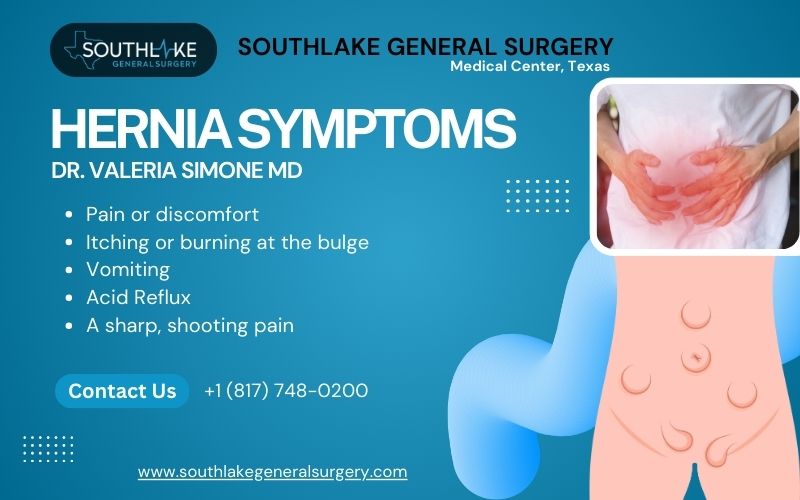
Hernia symptoms typically appear out of nowhere and can cause excruciating amounts of discomfort. If you have a hernia, you may experience pain or discomfort in your abdomen, groin, or belly area.
Read MoreHernia Symptoms – Dr. Valeria Simone MD

Thrombosed hemorrhoids are swollen hemorrhoids that have turned blue, purple, or black. They rarely bleed or cause pain on their own, but when they become large enough, they can cause severe discomfort and even blood loss.
Read More
Diagnostic laparoscopy is a technique to examine the reproductive organs and abdominal organs. This procedure helps in biopsies, such as the collection of tissue samples for tests and diagnosis of various medical disorders. A laparoscopy procedure is a safe surgical method with low risks.
Read More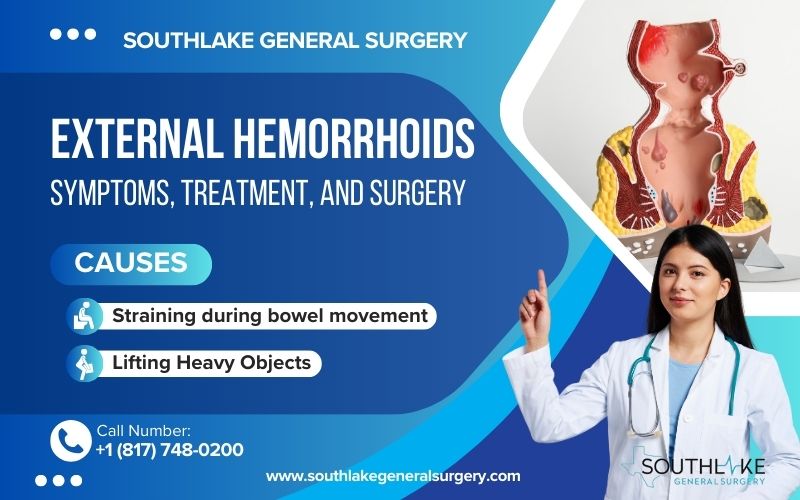
External hemorrhoid, also known as Hemorrhoidal disease, is a condition where a hemorrhoid, or enlarged blood vessel, is outside the anal sphincter (rectum and anal canal). It is frequently referred to as piles and is a prevalent condition. Hemorrhoids lead to swelling in the impacted region, yet they are not classified as a medical condition on their own..
Read More
Hemorrhoids are swollen veins in the anus or rectum also known as piles. They are often painful and can be caused by constipation, straining during bowel movements, and lying on the anus for too long. They can also be caused by a pregnancy, varicose veins, and other conditions.
Read More
Thyroid vitamins and minerals are a group of dietary supplements designed to help people with hypothyroidism, also called underactive thyroid.
Read More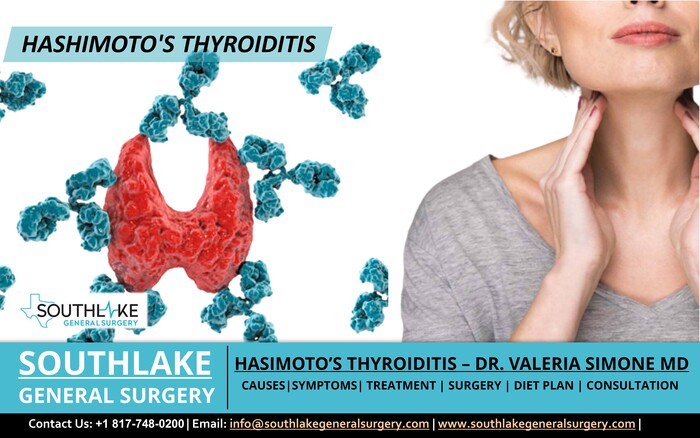
Hashimoto’s Thyroiditis also known as Hashimoto’s disease is an autoimmune disease that causes the immune system to attack the thyroid gland, leading to hypothyroidism. When the thyroid gland is attacked, it can no longer make the hormones the body needs.
Read More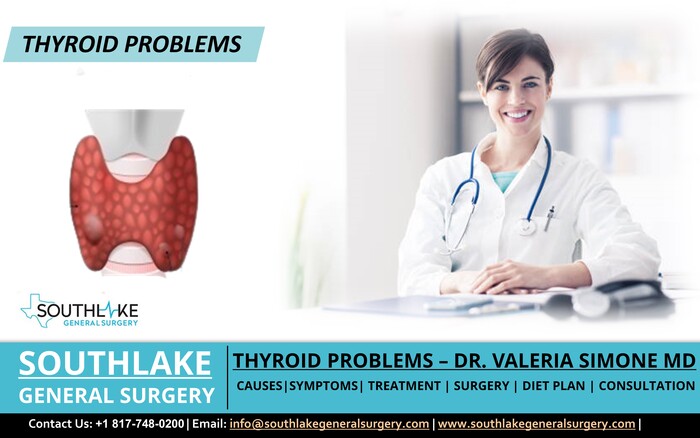
Thyroid problems are a group of diseases that affect the thyroid gland. The thyroid is a small butterfly-shaped gland located in the front section of the neck. It produces hormones that regulate metabolism, cell growth, and other functions in the body.
Read More
Thyroid cancer is a serious medical condition in which abnormal cells in the thyroid gland grow and multiply in number, forming a tumor. Thyroid cancer is one of the most common types of cancer in the United States, with an estimated 13,000 new cases diagnosed each year.
Read More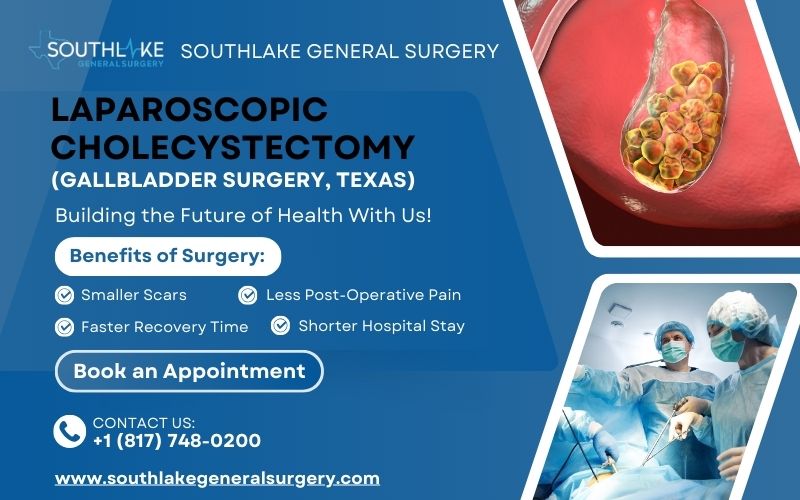
In Laparoscopic Cholecystectomy (Gallbladder Surgery), your doctor makes a few small incisions, to access the gallbladder. In most cases, people can go home the same after gallbladder surgery and can resume their daily activities in a couple of days.
Read More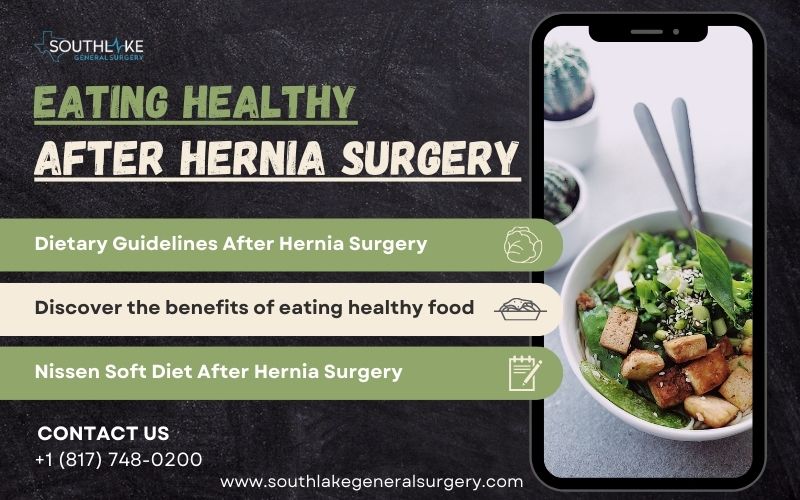
Eating healthy after hernia surgery is necessary for quick recovery and healing. Your diet plays an important role in the recovery process after surgery. Depending on where your hernia is, your diet plan may vary. Therefore, it is important to adhere to the dietary guidelines explained by your hernia surgeon to avoid any complications.
Read More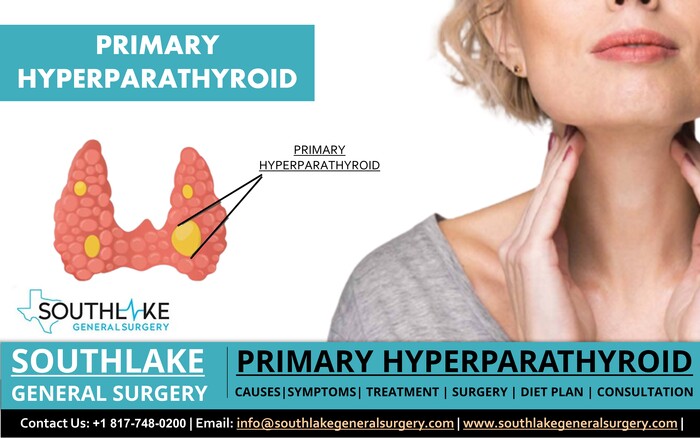
Primary hyperparathyroidism is a medical condition wherein at least one of the parathyroid glands produces an excess amount of PTH. This can cause the deficiency of bone tissue and it is more common among women than in men.
Read More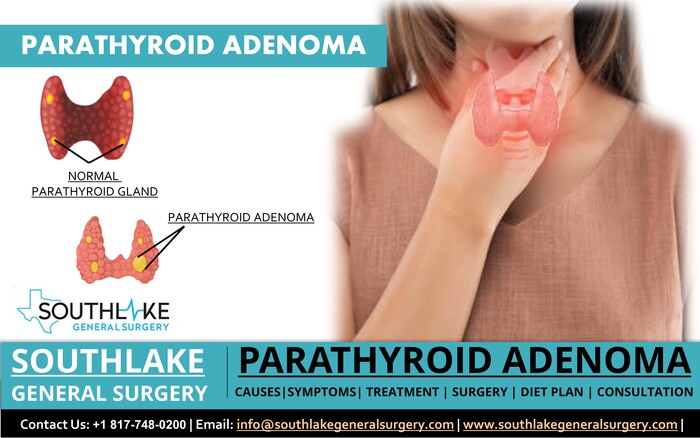
A parathyroid adenoma is a benign tumor on one of the parathyroid organs that include four small glands sited close to or at the back of the thyroid gland. These glands produce parathyroid hormone (PTH). These hormones regulate the amount of phosphorus and calcium in the blood.
Read More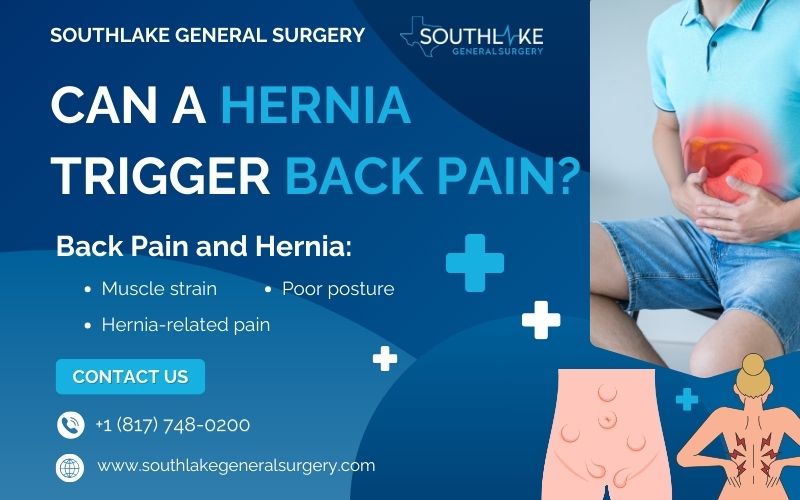

Diet After hiatal hernia surgery, you may be wondering what to eat. This article will provide a list of foods that you should eat after surgery.
Some foods that are good to eat after surgery include lean protein, whole grain, bread and cereals, fruits and vegetables, low-fat dairy products, and water.
Read More
By providing an alternative to traditional surgery, patients no longer need to travel far from home to enjoy minimal scarring, faster recovery and less post-operative pain.