

Incisional hernia repair is very important for people in the United States who have had abdominal surgery before. These hernias happen when tissue protrudes through the abdominal wall at the site of the incision.
It is really important for patients to learn about this condition and how the repair process works. This understanding can help them feel better and avoid future problems. Surgery is necessary because if incisional hernias are left untreated, they can lead to lasting pain, blockages in the intestines, or serious health problems. Receiving immediate treatment can reduce risks and enhance overall well-being.
Key Highlights
- Understanding incisional hernia repair is important for patients who have had abdominal surgery. It helps manage possible issues.
- Surgery is needed to lower the risks linked to incisional hernias. It also improves overall health.
- Methods like laparoscopic repair are less invasive options. This can lead to a better recovery and fewer issues after surgery.
- Pre-operative checks and preparation are essential. They help achieve the best outcomes for patients during the repair.
- After surgery, care focuses on recovery. It also encourages lifestyle changes to boost long-term quality of life.
- Dr. Valeria Simone emphasizes the need for personalized patient care. She makes sure to meet each patient’s unique needs during the surgical process.
What is Incisional Hernia Repair?
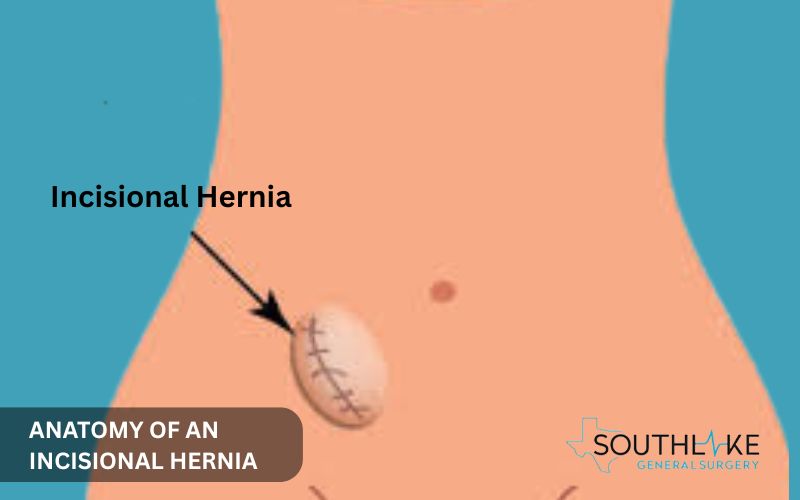
Incisional hernia repair is a kind of surgery. It treats hernias that appear in places where earlier surgery has been performed. This surgery is important because it makes the abdominal wall stronger.
It helps prevent future issues and keeps the hernia from coming back. This procedure also aids in healing and brings back normal function for those affected.
Definition and Overview
Incisional hernia repair is a surgical procedure designed to tackle a specific type of hernia. This type of hernia happens when the muscles in the abdominal wall become weak. It usually occurs after previous surgeries. If left untreated, it may lead to pain and significant complications.
There are two ways to do the surgery: open surgery and laparoscopic repair. Laparoscopic repair is less invasive. This often leads to quicker recovery time and fewer problems. To help make the abdominal wall stronger, surgeons commonly use synthetic mesh during the repair.
Importance of Surgical Intervention
Surgery is very important to treat incisional hernias. If you do not fix these hernias, they can cause serious problems. Fixing a hernia can help lessen pain and prevent risks like strangulation.
Strangulation happens when the blood flow to the intestine is interrupted, potentially resulting in a strangulated hernia. Having surgery on time, whether it is open or laparoscopic, can really improve a patient’s quality of life.
This surgery works on the abdominal wall. It also helps in recovery and reduces the chances of the hernia coming back.
Symptoms and Causes
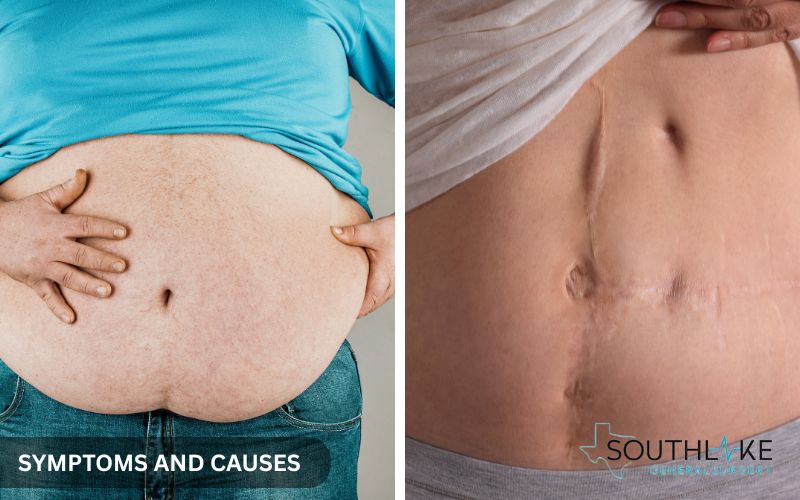
A bulge in the abdominal wall is the result of an incisional hernia. It can cause discomfort and pain, especially when you are active or standing for a long time. Some reasons that increase your risk include previous stomach surgeries, being obese, and having weak abdominal muscles.
These factors can put strain on the abdominal cavity and result in a problem called loss of domain. It’s important to know the symptoms and causes. A quick diagnosis and treatment can help prevent complications and improve your quality of life.
Symptoms of incisional hernia
A protrusion in the abdominal wall frequently serves as the primary indicator of an incisional hernia. This bump may get bigger when you lift something or push yourself too much. You might also feel pain or discomfort in the hernia area, especially during normal activities.
At times, you might experience sickness or observe alterations in your bowel patterns. These signs may show complications, so it’s important to see a healthcare provider or go to the emergency room quickly.
Incisional hernia causes
An incisional hernia can happen for several reasons. Here are the main ones:
- Prior abdominal surgeries: These can weaken the abdominal wall. This may lead to a hernia.
- Weight issues: Being overweight or having major weight changes puts extra pressure on the abdomen. This can hurt the strength of the abdominal muscles.
- Chronic conditions: Issues like a long-lasting cough or lifting heavy objects can stress the abdominal muscles.
- Poor healing: If a person does not heal well after surgery, often due to a lack of blood supply, the risk of getting an incisional hernia can increase.
It shows how important it is to monitor recovery after surgery.
Ways to reduce your risk
Maintaining healthy weight is important. It can lower your risk of getting an incisional hernia. Here are a few suggestions to help minimize your risk:
- Strengthen abdominal muscles: Do exercises to make your abdominal wall stronger. This will improve support and stability.
- Avoid heavy lifting: Be careful not to lift heavy objects or push yourself too hard while doing normal activities. This can prevent stress on your abdomen.
- Consult your healthcare provider: Speak to your healthcare provider about any health issues, like being overweight or past hernias. This will help find any risks.
- Manage health factors: Taking care of your health can reduce the chances of problems after hernia surgery.
Complications of incisional hernia
Complications from an incisional hernia can greatly affect your recovery and quality of life. Some common problems that can happen include:
- A wound infection
- A seroma formation
- A return of the hernia
This is especially true for obese patients and people with weak abdominal muscles. Serious complications may also arise, including:
- Strangulation obstructs the circulation of blood to specific regions of the intestines.
Good management with the right surgical methods, like open surgery or laparoscopic surgery, can lower risks. This makes recovery smoother and reduces the overall complication rate for hernia repairs.
Dr. Valeria Simone’s Expert Approach to Surgery
Dr. Valeria Simone pays close attention to her work on repairing incisional hernias. She looks over each patient’s medical history and the specifics of their hernia. Dr. Simone uses modern techniques, like laparoscopic surgery and other minimally invasive methods. These help patients to heal faster and lower the risk of complications.
She is dedicated to providing personalized care. That means every patient has a treatment plan made just for them. Her work leads to a better quality of life and a lower chance of hernia recurrence. Dr. Simone’s knowledge helps to get the best results in treating abdominal wall hernias.
Techniques Used by Dr. Simone
Dr. Valeria Simone uses some modern surgery methods to repair incisional hernias.
- Open Surgery: This is a traditional way that gives direct access to the hernia.
- Laparoscopic Surgery: This method is less intrusive and requires smaller incisions.
- Synthetic Mesh: This material supports the abdominal wall and helps reduce the chance of the hernia returning.
- Robotic-Assisted Surgery: This technique increases accuracy and might help you recover more quickly.
Her method focuses on safety and how well it works. It seeks to improve the quality of life for patients after their surgery.
Customized Patient Care in Incisional Hernia Repair
Personalized care is very important during incisional hernia repair. It helps to get the best results. Healthcare providers consider several factors. These factors help them make tailored surgery plans.
- The medical history of each patient.
- Their lifestyle choices.
- Specific details about their hernia.
This personal way makes patients feel at ease. It also lessens the chance of problems, like:
- Wound infections
- Seroma formation
Good communication with patients is really important. It helps them understand the surgery better. This also eases any worries they may have about recovery or using synthetic mesh. When patients feel informed, it can improve their quality of life.
Pre-operative Considerations for Incisional Hernia Repair
Before fixing an incisional hernia, it is important to review the patient’s medical history. This check can reveal any health issues that might affect the surgery. It is crucial to assess the dimensions and position of the hernia for effective planning.
Preparation involves discussing options for anesthesia, dietary changes, and any new medications. Knowing these details before the surgery helps it go well and can reduce the risk of problems during recovery.
Assessing Patient History and Hernia Condition
A full look at a patient’s medical history and their specific hernia is very important for creating a good treatment plan. This checkup includes:
- Reviewing previous stomach surgeries
- Identifying other health problems
- Examining medications that might influence recovery
Doctors can find out about possible issues by checking the size, type, and signs of an incisional hernia. They also look at the results from the physical examination. This careful way of looking at things helps them choose the best surgery. It can result in enhanced results and reduced risks.
Preparation Steps for Patients
Before having surgery for an incisional hernia, there are some important steps you can take to make the results better:
- A healthcare provider will perform a thorough physical exam to inspect the abdominal wall. They will check for any risks, such as previous surgeries or health problems.
- Patients should usually not eat or drink anything after midnight before the surgery.
- It is important to discuss medications, especially blood thinners, to lower risks during the procedure.
Knowing these steps to get ready can help you feel better. It can also lower the chance of issues in the future.
Surgical Techniques Explained

There are several ways to fix an incisional hernia. Each way fits different people. In open surgery, a larger incision is created around the abdominal region. This lets doctors reach the hernia directly.
Laparoscopic surgery enables less invasive procedures by utilizing a camera and making smaller incisions. This results in a procedure that is less intrusive. The method we go with really depends on how big the hernia is, the overall health of the patient, and what they prefer personally.
Doctors might also consider robotic-assisted surgery. This can enhance accuracy and facilitate a quicker recovery.
Open vs. Laparoscopic Incisional Hernia Repair
Open surgery involves making a large cut to access the abdominal cavity. This allows doctors to see and directly fix the hernia. This method works well for patients who have significant tissue damage or complex hernias.
With laparoscopic surgery, a camera and smaller incisions are utilized to assist with the procedure. This way is less intrusive. Patients feel less pain after the procedure. They can heal quicker and face fewer issues. Therefore, it reduces the duration of hospitalization.
The choice of method depends on the individual’s situation. It considers how serious the hernia is and the person’s general health.
Choosing the Right Technique for Your Condition
The optimal approach to address an incisional hernia relies on several factors. These include the size and type of hernia and how healthy the patient is overall.
Open surgery offers a clear view and is good for larger hernias. Laparoscopic methods are less invasive. They usually mean a shorter recovery time and fewer problems.
Cooperating with your healthcare practitioner is an essential step to take. They can check your medical history and exam results. This will assist in determining which surgical procedure is most suited to your individual needs and preferences.
Post-operative Care and Recovery

After surgery for an incisional hernia, self-care is very important for healing. Patients usually rest in the recovery room. The medical team keeps an eye on vital signs and takes care of pain management. It’s really important to stick to the guidelines for the activity.
This will help with healing and reduce the risk of problems like seroma formation or infection. Taking your time to get back to normal activities while watching the abdominal wall can lead to a better quality of life.
Immediate Post-surgery Care
After surgery for an incisional hernia, it is very important to care for patients immediately to support their recovery. Here are a few important ways to look after them right after the surgery:
- A patient’s vitals and amount of sedation are monitored in the recovery room. We also look for any issues that might come up.
- Pain management is important. Healthcare providers give pain relief medicine when needed to keep patients comfortable.
- We watch for signs of wound infection or seroma formation during this time.
- To increase blood flow, it is recommended to walk around early. This helps prevent complications and allows a quicker return to normal activities in the days ahead.
Long-term Recovery and Lifestyle Adjustments
After having an incisional hernia repair, a good recovery plan is very important. Here are a few suggestions to enhance your well-being:
- Do gentle exercises that gradually become more challenging. This helps strengthen weak abdominal muscles and improves your overall stability.
- Maintain a balanced diet. This supports muscle healing and prevents weight gain, which can lead to the hernia returning.
- Schedule regular visits with your healthcare providers. They will look for any problems, like wound infection or seroma formation.
- Adjust your daily routine. Avoid heavy lifting and sudden movements to greatly enhance your quality of life after surgery.
Conclusion
Surgery for incisional hernias helps people feel better and live healthier lives. Surgeons can lower risks and speed up recovery time. They do this by checking carefully before the operation and choosing the right method. This can be either open surgery or laparoscopic surgery.
Using synthetic mesh and making the abdominal wall stronger makes hernia repair more effective. A mesh can support the repair well. After surgery, it is important for patients to keep going to check-ups.
They should also change their lifestyles. This practice helps them stay healthy and stops future hernias. It is a complete way to care for abdominal health.
A note from Southlake General Surgery
At Southlake General Surgery, we care about your health and well-being. Dr. Valeria Simone leads our team, and we focus on personal care for each patient. We use modern techniques, such as laparoscopic and open incisional hernia repair, to get the best results.
Our goal is to reduce your recovery time and improve your quality of life after surgery. Our experienced healthcare providers do thorough assessments. This helps us create treatment plans that fit your needs. We want to keep you safe and lower the risk of complications during your surgical journey.
Make an Appointment
For personal care and expert help with your incisional hernia, set up a meeting with Dr. Valeria Simone at Southlake General Surgery. Dr. Simone uses advanced surgical methods, like laparoscopic techniques, to help you feel better.
She makes treatment plans that focus on your health and comfort. Contact the office today at +1 (817) 748-0200 to start addressing your hernia and enhance your quality of life.
Frequently Asked Questions
How long does recovery take after incisional hernia repair surgery?
Recovery after incisional hernia repair surgery typically takes about four to six weeks. During this period, patients should gradually increase their activity levels while following their surgeon’s guidelines. It’s essential to listen to your body and avoid strenuous activities to ensure a smooth and effective recovery process.
Medically Reviewed By: Dr. Valeria Simone MD
Board-certified General Surgeon at Southlake General Surgery, Texas, USA.
Follow us on Facebook and YouTube.
References:
- Flum DR, Horvath K, Koepsell T. Have outcomes of incisional hernia repair improved with time? A population-based analysis. Ann Surg. 2003 Jan;237(1):129-35. doi: 10.1097/00000658-200301000-00018. PMID: 12496540; PMCID: PMC1513979.
- LeBlanc KA, Elieson MJ, Corder JM 3rd. Enterotomy and mortality rates of laparoscopic incisional and ventral hernia repair: a review of the literature. JSLS. 2007 Oct-Dec;11(4):408-14. PMID: 18237502; PMCID: PMC3015847.
- Bunting DM. Port-site hernia following laparoscopic cholecystectomy. JSLS. 2010 Oct-Dec;14(4):490-7. doi: 10.4293/108680810X12924466007728. PMID: 21605509; PMCID: PMC3083037.
- Dehn, T. (2009). Incisional hernia repair – laparoscopic or open surgery? Annals of the Royal College of Surgeons of England, 91(8), 631–636. https://doi.org/10.1308/003588409×12486167521514
- Ferrari, G. C., Miranda, A., Sansonna, F., Magistro, C., Di Lernia, S., Maggioni, D., Franzetti, M., & Pugliese, R. (2008). Laparoscopic management of incisional hernias ≥15 cm in diameter. Hernia, 12(6), 571–576. https://doi.org/10.1007/s10029-008-0410-0
- Hartog, D. D., Dur, A. H., Tuinebreijer, W. E., & Kreis, R. W. (2008). Open surgical procedures for incisional hernias. Cochrane Library, 2011(1). https://doi.org/10.1002/14651858.cd006438.pub2