

Lapo surgery, which you might know as Laparoscopic surgery, has really changed the game in medical practice. It allows doctors to perform operations that are kinder to the body compared to older methods. Doctors can do complex surgeries while harming patients less.
A specialized tool known as a laparoscope is used to make small incisions. This tool has a camera that provides clear views of the abdominal cavity. This technique leads to less scarring and helps patients get back to their daily activities faster. This surgical procedure is popular among many patients.
Key Highlights
- Laparoscopic surgery, additionally referred to as lapo surgery, is a minimally invasive surgical technique. It makes tiny incisions in the skin.
- A special tool called a laparoscope, which has a camera, helps doctors see inside the abdominal cavity in real time.
- Some common surgeries include gallbladder removal, hernia repair, and treatments for gastroesophageal reflux disease (GERD).
- This method has some excellent advantages compared to open surgery, like quicker recovery times, less pain, smaller scars, and a lower chance of complications.
- Southlake General Surgery is home to Dr. Valeria Simone, one of Texas’s most prominent surgeons. She specializes in various laparoscopic surgeries.
What is Lapo Surgery?
Laparoscopic surgery, also known as lapo surgery, is a surgical method that does not require large cuts It makes use of a video camera and some small tools.
In open surgery, doctors make large cuts. However, lapo surgery only requires tiny cuts, usually less than half an inch, in the abdominal wall. Sutures can be used to close small incisions following surgery. The small holes let the surgical tools, like a laparoscope, go through easily. The surrounding tissue suffers less damage as a result of this method.
Lapo surgery’s adaptability is definitely a big advantage. It can be used in areas like gynecology, urology, and stomach surgeries. It is effective for removing the gallbladder, known as cholecystectomy, treating endometriosis, and fixing hernias.
This new method makes the procedure, often performed by general surgeons, to minimize scarring and reduce the time people spend in the hospital. Because of these advantages, many doctors prefer to use it.
Definition and Basics of Laparoscopic Surgery
Laparoscopic surgery is what we call a minimally invasive surgical procedure. An instrument called a laparoscope is utilized by surgeons. This is a thin device that has a small video camera and a light at the end.
They insert this tool through small incisions, usually about half an inch or smaller, into the abdominal cavity. The camera offers a clear view of the surgical site, similar to how robotic surgery allows for enhanced precision. This view shows up on a video monitor in real-time.
A key distinction of laparoscopic surgery is the reduced amount of tissue damage it causes. It uses smaller cuts instead of the big incisions found in traditional surgery. If you lose less blood, your recovery time will be quicker.
Surgical instruments are inserted through small incisions. They help in taking biopsies, removing tumors, or treating problems like ectopic pregnancies. or performing a tubal ligation. Laparoscopic surgery is a good choice in today’s medicine because it causes less damage to the body and uses new technology.
Key Differences Between Lapo Surgery and Traditional Open Surgery

Traditional surgery usually requires a larger incision. Surgeons find it easier to reach the organs inside the body with this approach. In contrast, minimally invasive surgery, like lapo surgery, uses small tools and makes smaller incisions to achieve the same results, minimizing damage to areas such as the flank.
- Incision Size: Traditional surgery uses bigger cuts. Lapo surgery, however, uses smaller cuts.
- Hospital Stay: Bigger cuts can lead to a longer hospital stay with traditional surgery. After laparoscopic surgery, you might have a somewhat quicker recovery time and be able to go home.
- Scarring: Traditional surgery usually leaves larger scars. Lapo surgery leaves smaller scars.
- Complication Risk: There is a higher chance of complications with traditional surgery. Lapo surgery aims to reduce this risk with smaller cuts.
- Side Effects: People who have lapo surgery usually experience less pain. They tend to have fewer side effects, such as a reduced risk of infection.
- Recovery Time: People who have lapo surgery typically recover faster.
Lapo surgery is not the right option for every health problem. Still, it is gaining popularity. It can fulfill the same tasks as open surgery, which is why many medical professionals suggest it. It also helps people heal more effectively.
Common Procedures Performed Using Lapo Surgery
Laparoscopic surgery is a helpful option for many problems in the abdominal cavity. It can be used to diagnose and treat various issues. Some common laparoscopic surgeries include removing the gallbladder, fixing hernias, and treating conditions like endometriosis.
At Southlake General Surgery, Dr. Valeria Simone focuses on minimally invasive surgeries. She aims to keep patients safe, help them heal quickly, and lower discomfort. Laparoscopic surgery is getting more popular. It provides advanced treatments with less invasiveness.
Gallbladder Removal

Gallbladder removal, called cholecystectomy, is a common surgery. It is usually done using laparoscopic surgery. Doctors recommend this procedure for people who have gallstones or infections causing pain and other issues. The benefits of laparoscopic cholecystectomy are:
- Minimally Invasive: Small incisions are made in the abdominal region by the surgeon.
- Enhanced Visualization: A laparoscope, which has a camera, goes through these small cuts. This helps the surgeon see clearly inside.
- Careful Removal: The surgeon can safely remove the gallbladder without damaging nearby organs.
Laparoscopic cholecystectomy is a better choice than open surgery. It offers many benefits:
- Less Pain: People experience less discomfort while they’re recovering.
- Smaller Scars: The scars are less obvious as a result of the small incisions.
- Quicker Recovery Time: Most people go home the same day or after just one night in the hospital.
This is a great option for gallbladder problems.
Hernia Repair
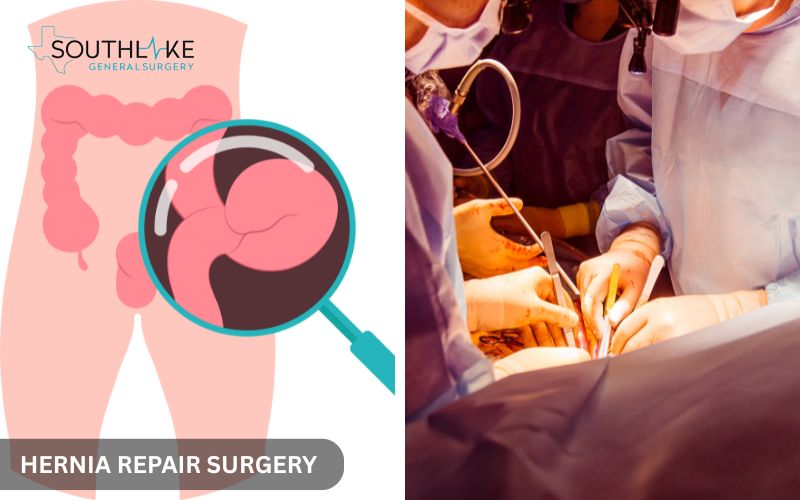
A hernia repair is a pretty common surgery that involves making small cuts. It helps to fix weak spots in the abdominal wall, like inguinal or umbilical hernias. One of the great things about this surgery is that you can expect a quicker recovery time.
Small incisions are made by the surgeon during laparoscopic hernia surgery. A laparoscope helps them see the hernia clearly. They use special surgical instruments to place mesh over the weak spot in the abdominal wall. This mesh offers additional reinforcement to the abdominal area.
The postoperative pain from this procedure is far lower than that of open surgery. Patients usually feel only a few side effects. After a short rest, they can go back to their everyday activities. This makes laparoscopic hernia repair an important advance in medicine.
Other Surgeries Dr. Valeria Simone Specializes In
Dr. Valeria Simone removes gallbladders and repairs hernias. She also does several other minimally invasive procedures. , including colonoscopy. Gynecological disorders, such as endometriosis, colon resections, and gastroesophageal reflux disease (GERD) are among her areas of expertise. Here are some of her specialties:
- GERD Surgery: A careful repair helps you feel less pain and have a shorter recovery time.
- Colon Resection: This choice leaves little scarring and makes recovery faster.
- Endometriosis Treatment: It gives a clear view and helps reduce scar tissue growth.
Dr. Simone has a special skill in making treatment plans that fit each patient perfectly. She truly cares about their healing and future health.
Benefits of Lapo Surgery

Laparoscopic surgery is becoming a popular choice. It has many benefits. This method is less invasive. Because of this, patients have smaller scars and feel less pain. Recovery happens quicker.
Most surgeries are performed as outpatient procedures. This means that patients can return to their normal lives soon after. This new approach is great for ensuring effective treatment while keeping patients at ease.
Reduced Scarring and Minimally Invasive Nature
A significant advantage of lapo surgery is its minimally invasive nature. This means it needs smaller cuts. In contrast to regular open surgeries, which require larger cuts, lapo surgeries only use incisions that are about half an inch or even smaller.
This results in smaller scars, and many patients like that. Smaller cuts also reduce the risk of infection and help you heal faster. Because of these benefits, doctors often suggest lapo surgery for abdominal procedures.
The small cuts made during lapo surgery hurt less of the healthy tissue, resulting in less pain medication for patients. This helps patients heal more quickly. Thanks to new laparoscopic tools, surgeons can do larger surgeries with less impact on the body. Improved patient outcomes are the end result of this.
Quicker Recovery Times
Patients with lapo surgery usually heal faster than those who have open surgeries. The minor incisions created during lapo surgery result in less pain. This lets people recover more quickly. A lot of patients can go home within 24 hours.
It is common practice to undertake lapo surgeries as an outpatient procedure. The amount of time patients stay in the hospital decreases over time. This method harms the tissues less and leads to fewer complications. As a result, patients can get back to their normal activities more quickly.
The surgery is not as invasive, so patients heal more quickly. This means they have less disruption in their jobs and personal lives. These benefits, along with lower costs for hospital stays, make lapo surgery a popular choice for many procedures.
Less Pain Post-Surgery
Lapo surgery uses techniques that damage tissues and nerves less. This means patients feel much less pain after the surgery. Because of this, they need fewer strong pain medicines.
During laparoscopy, surgeons do their work while the patient is asleep under general anesthesia. They focus on protecting the tissues around the area. This thoughtful method really helps ease any discomfort after the surgery.
A lot of patients say they feel only slight pain or no pain at all. If there is a mild shoulder pain from leftover carbon dioxide gas, it usually goes away in a few days.
The smaller cuts made during lapo surgery heal quicker and hurt less than the bigger cuts from traditional surgeries. This mix of less pain and faster recovery makes patients feel better about their lapo surgery experience.
Preparing for Lapo Surgery
Good preparation is key to having a successful surgery and recovery. Patients should talk to a skilled expert, like Dr. Valeria Simone, to get a full check-up. There are some important steps to take before surgery. For example, not eating for a certain time and changing medications can help reduce risks.
A good consultation shares important information about the procedure. It covers what to expect during recovery and any possible risks. This helps patients feel prepared and confident. Following pre-surgery guidelines makes the process safer and more successful.
Consultation and Evaluation by Dr. Valeria Simone
Preparing for lapo surgery starts with an important meeting with Dr. Valeria Simone. She is skilled in minimally invasive surgeries. During this meeting, Dr. Simone goes over your medical history. She also checks your current symptoms and thinks about your lifestyle. This information helps her decide if you need surgery and how to do it in the best way.
We use advanced tools to provide a clear diagnosis and create a surgery plan. Any queries or concerns the patient may have can be addressed. They can also find out what to expect during this process. Dr. Simone and her team make sure that patients feel ready and confident.
Her skills in this area make her a trustworthy choice for many types of lapo surgeries. The first step is talking and assessing. This is important for a successful and personalized surgical experience.
Steps Patients Need to Take Before Surgery
Preparing for laparoscopic surgery needs a few key steps. These steps will make the surgery easier and help it go well.
- Fasting: Do not eat or drink for at least 8 hours before your surgery. This helps reduce the chance of issues with anesthesia.
- Medication Adjustments: Tell your doctor if you take any medications that thin your blood or reduce inflammation, as some medications can increase the risk of deep vein thrombosis (DVT). You might need to stop some of them for a short time.
- Lifestyle Modifications: Wear loose clothing and take off any jewelry. This can help avoid restrictions after your surgery.
These steps can lower the chance of problems. This includes issues with anesthesia or infections near the incision. Good care before surgery helps the patient and the surgical team get ready. This can make the whole process safer and simpler.
Post-Operative Care and Recovery
After laparoscopic surgery, it is important to take care of yourself to heal well. Patients should follow their healthcare provider’s advice on how to clean their incision sites, deal with pain, and gradually return to their normal activities.
Dr. Valeria Simone says regular check-ups are very important. These visits help check how well you are healing and can find any problems that might arise. When patients look after themselves and get enough rest, they often heal faster. This way, they can feel the benefits of their minimally invasive procedures.
Immediate Aftercare Following Lapo Surgery
After surgery, patients will rest in a recovery room for about an hour. This time is important to check that their vital signs are stable after general anesthesia. Here are some common care steps right after:
- Taking care of the pain around the cut area.
- Dealing with side effects like nausea or shoulder pain from leftover gas.
The surgical site must stay clean and dry. Here are some important care instructions:
- Change your bandages or dressings as instructed.
- Follow the guidelines for taking care of sutures or surgical glue.
- This aids in the healing process and helps to avoid infections.
Seeing a doctor for follow-up visits is important for getting better. In the first few days, most patients feel good and have few limits on activities. This shows the benefits of laparoscopic surgery, which is a less invasive choice.
Tips for a Smooth Recovery at Home

For a quick recovery after laparoscopy surgery, patients should remember these easy tips:
- Pain Management: Use your pain medicines as your doctor prescribed. You can also ask your doctor about over-the-counter choices like ibuprofen, especially if you experience symptoms like persistent vomiting.
- Activity Level: Stay away from tough activities. Slowly go back to your normal daily routine with support from your doctor.
- Healthy Eating & Hydration: Eat light meals to avoid discomfort, and make sure to drink enough water.
It is really important to keep the surgical site clean. This helps prevent infections. If you see any redness, swelling, or fluid coming out, tell your healthcare provider. These signs might mean there is a problem. With some patience and by following these tips, your recovery can be easier and smoother.
Conclusion
Laparoscopic surgery offers several advantages. It allows patients to undergo surgery that is less invasive. As a result, there is less pain and a quicker recovery time. Choosing experienced healthcare providers, such as Dr. Valeria Simone, MD, is essential for attaining optimal outcomes.
Individuals generally experience reduced durations of hospitalization and encounter fewer issues. This enables them to resume their daily routines more swiftly. It’s important to embrace these new surgical techniques. So, take the first step towards a healthier future by seeking good advice and an evaluation.
Make an Appointment
Scheduling a meeting with Dr. Valeria Simone, MD, at Southlake General Surgery is a key step to learn about laparoscopic options. Dr. Simone uses modern methods that are less invasive. This makes you feel comfortable and helps you recover better.
During your visit, you can discuss your health needs. You can also ask about the benefits of the procedure and any questions you have about anesthesia or recovery. To set up your appointment, call the office at +1 (817) 748-0200. Take the first step towards improved health right now.
Frequently Asked Questions
How long does recovery from lapo surgery typically take?
Recovery time after laparoscopic surgery can differ based on what type of surgery is performed. Most patients are able to go home on an outpatient basis. For smaller procedures, including minor surgery, recovery usually takes about 1 to 3 weeks. However, if the surgery is larger or more extensive, it may take 4 to 6 weeks to heal fully.
What are the risks associated with lapo surgery?
Lapo surgery is usually safe, but there are some possible complications and risks. These risks include infection, bleeding, and problems linked to general anesthesia. Rarely, there can be risks like damage to nearby organs or swelling in the abdomen. You can lower these risks and improve your chances of success by talking about your worries with an experienced surgeon.
Medically Reviewed By: Dr. Valeria Simone MD
Board-certified General Surgeon at Southlake General Surgery, Texas, USA.
Follow us on Facebook and YouTube.
References:
- Yang X, Cheng Y, Cheng N, Gong J, Bai L, Zhao L, Deng Y. Gases for establishing pneumoperitoneum during laparoscopic abdominal surgery. Cochrane Database Syst Rev. 2022 Mar 15;3(3):CD009569. doi: 10.1002/14651858.CD009569.pub4. PMID: 35288930; PMCID: PMC8921952.
- Srivastava A, Niranjan A. Secrets of safe laparoscopic surgery: Anaesthetic and surgical considerations. J Minim Access Surg. 2010 Oct;6(4):91-4. doi: 10.4103/0972-9941.72593. PMID: 21120064; PMCID: PMC2992667.
- Bhandarkar D, Mittal G, Shah R, Katara A, Udwadia TE. Single-incision laparoscopic cholecystectomy: How I do it? J Minim Access Surg. 2011 Jan;7(1):17-23. doi: 10.4103/0972-9941.72367. PMID: 21197237; PMCID: PMC3002000.
- El-Sharkawy AM, Tewari N, Vohra RS; CholeS Study Group, West Midlands Research Collaborative. The Cholecystectomy As A Day Case (CAAD) Score: A Validated Score of Preoperative Predictors of Successful Day-Case Cholecystectomy Using the CholeS Data Set. World J Surg. 2019 Aug;43(8):1928-1934. doi: 10.1007/s00268-019-04981-5. Erratum in: World J Surg. 2023 Apr;47(4):1082. doi: 10.1007/s00268-023-06911-y. PMID: 31016355; PMCID: PMC9883331.
- Kaban GK, Czerniach DR, Litwin DE, Litwin DE. Hand-assisted laparoscopic surgery. Surg Technol Int. 2003;11:63-70. PMID: 12931285.
- Shabanzadeh DM, Sørensen LT. Laparoscopic surgery compared with open surgery decreases surgical site infection in obese patients: a systematic review and meta-analysis. Ann Surg. 2012 Dec;256(6):934-45. doi: 10.1097/SLA.0b013e318269a46b. PMID: 23108128.
- Sami Walid M, Heaton RL. Laparoscopy-to-laparotomy quotient in obstetrics and gynecology residency programs. Arch Gynecol Obstet. 2011 May;283(5):1027-31. doi: 10.1007/s00404-010-1477-2. Epub 2010 Apr 23. Erratum in: Arch Gynecol Obstet. 2011 May;283(5):1033. PMID: 20414665.
- Wang S, Shi N, You L, Dai M, Zhao Y. Minimally invasive surgical approach versus open procedure for pancreaticoduodenectomy: A systematic review and meta-analysis. Medicine (Baltimore). 2017 Dec;96(50):e8619. doi: 10.1097/MD.0000000000008619. PMID: 29390259; PMCID: PMC5815671.