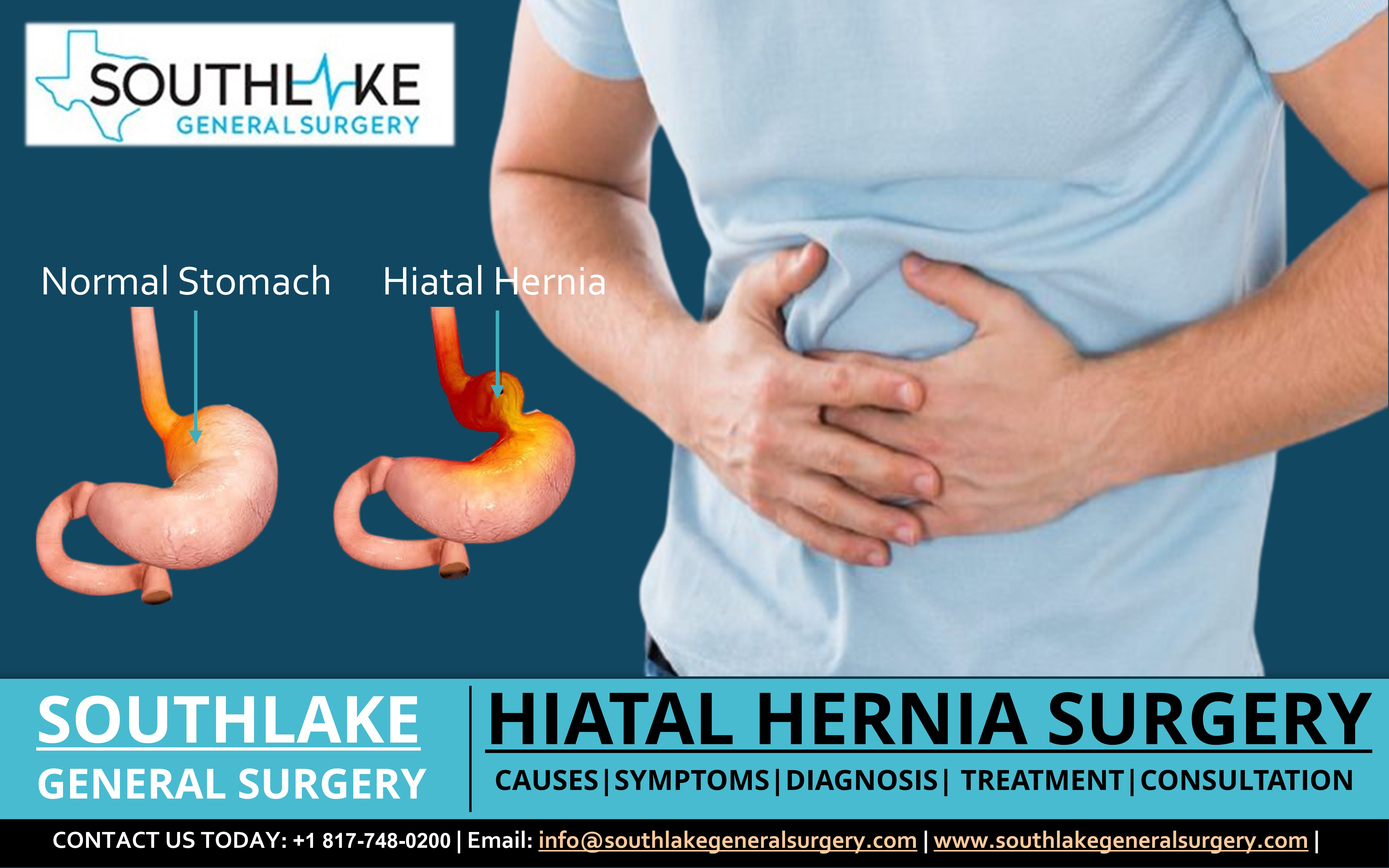
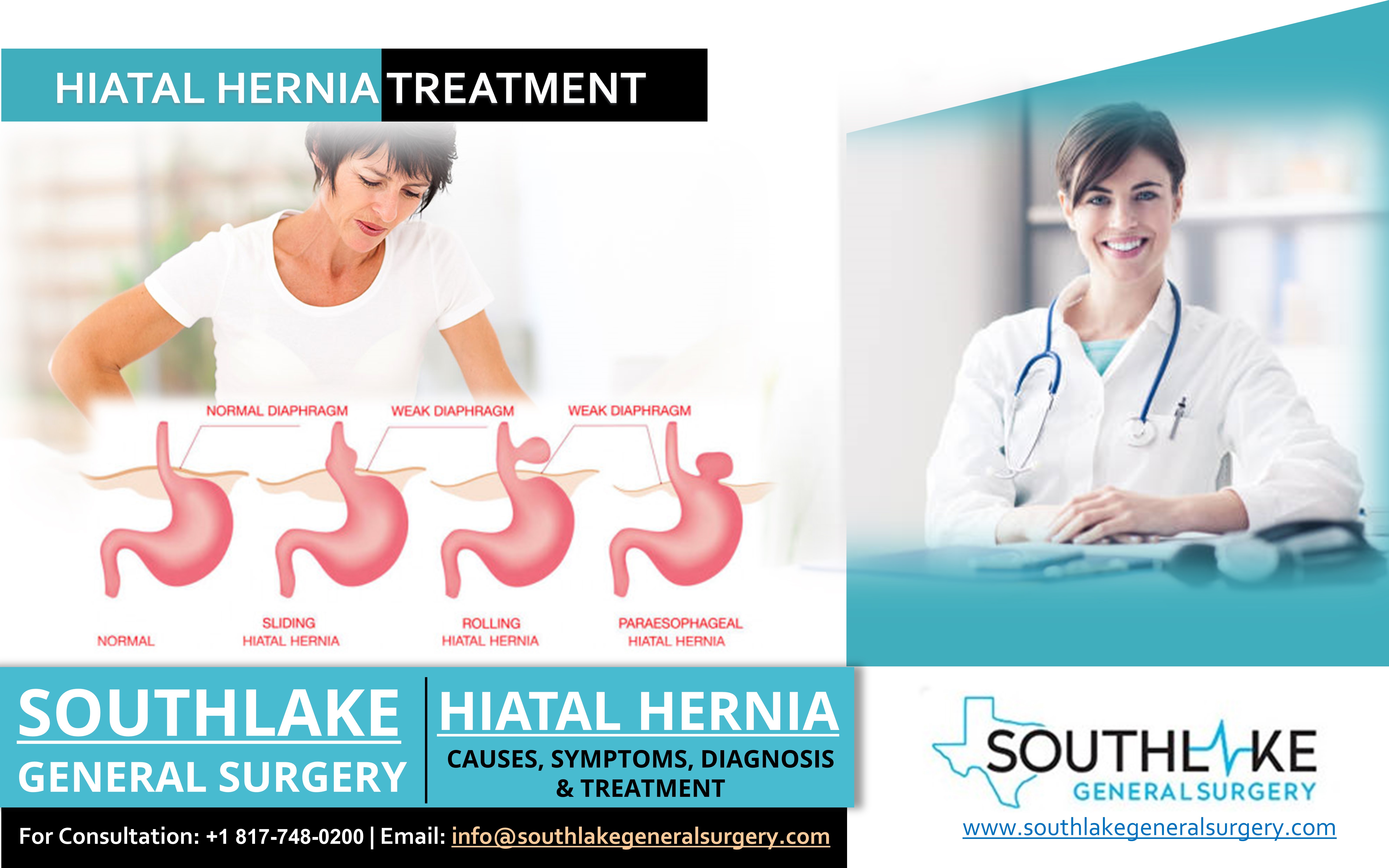
A hiatal hernia is a condition when an upper section of the stomach stretches out up through the diaphragm and into the chest region. This condition may develop severe symptoms of acid reflux or GERD and through medicines, these symptoms can be treated. In case, medicines don’t work, your doctor may suggest hernia surgery as a treatment.
Read More →
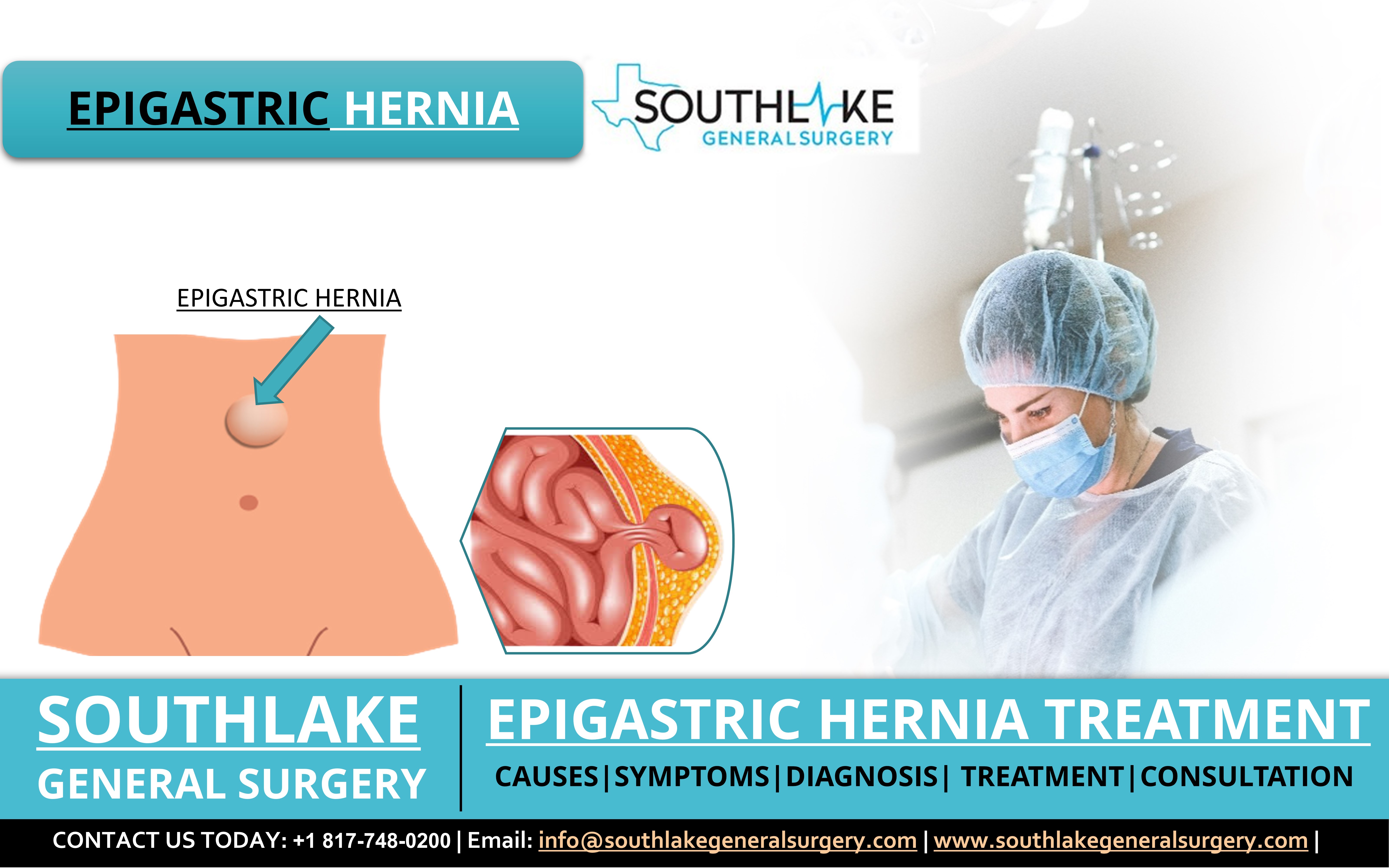
A hernia in the epigastric area of the abdominal wall is known as an Epigastric hernia. It is found above the belly button and just underneath the sternum of the rib cage. A hernia usually happens when an organ is pushed through a weak spot or opening in the tissue or muscle.
Read More →
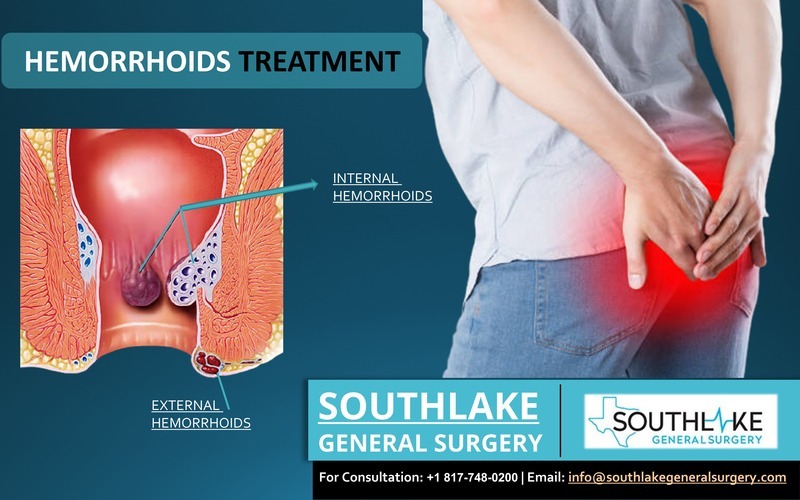
The swollen vein in the lower section of the rectum and anus is known as Hemorrhoids are also called Piles. At times, the walls of these veins stretch so thin that the veins swell and get aggravated when an individual passes the stools.
Read More →
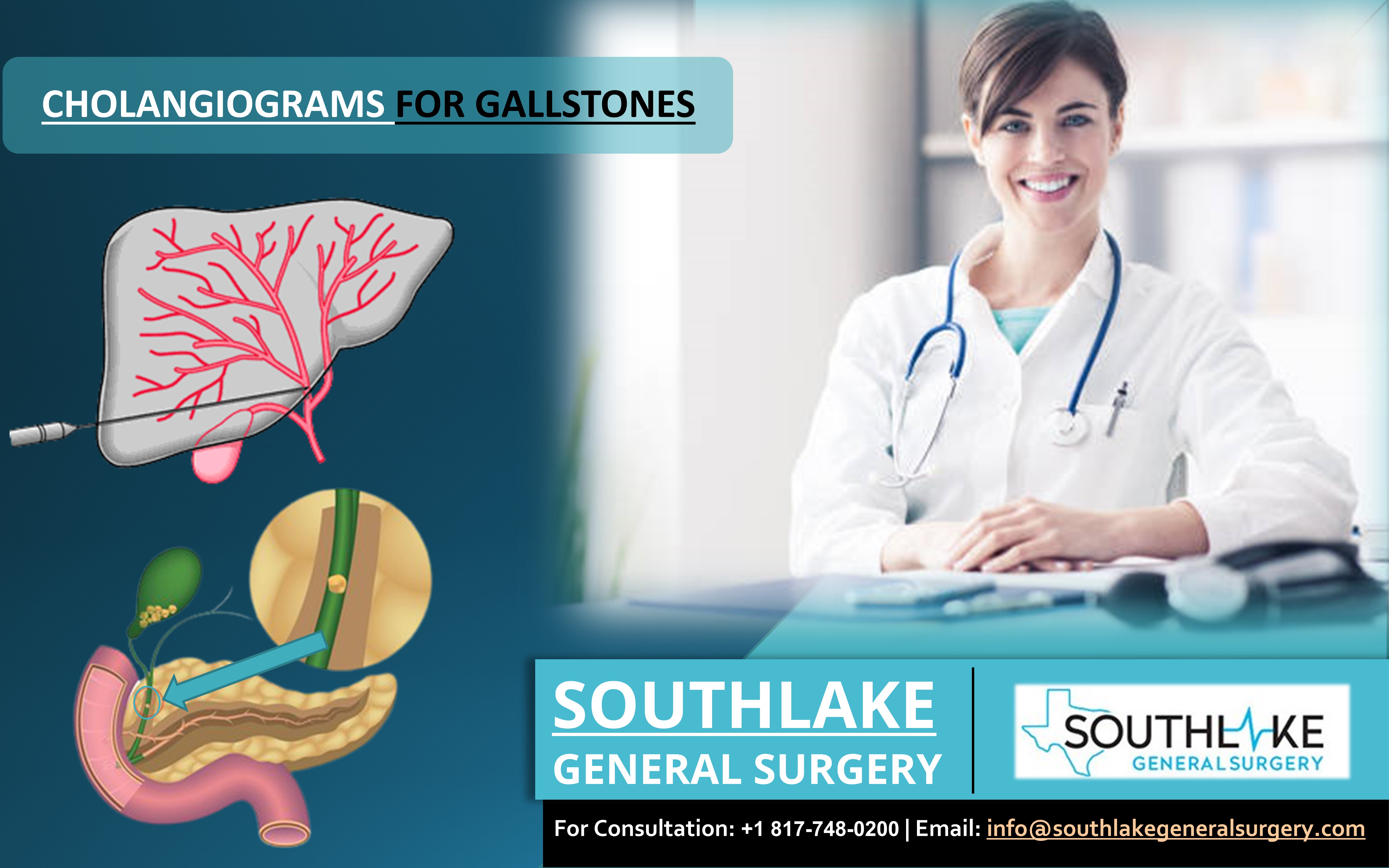
A special X-ray prescribed to examine the bile ducts is known as an intraoperative cholangiogram (IOC). It is mainly prescribed at the time of gallbladder removal surgery.
Read More →
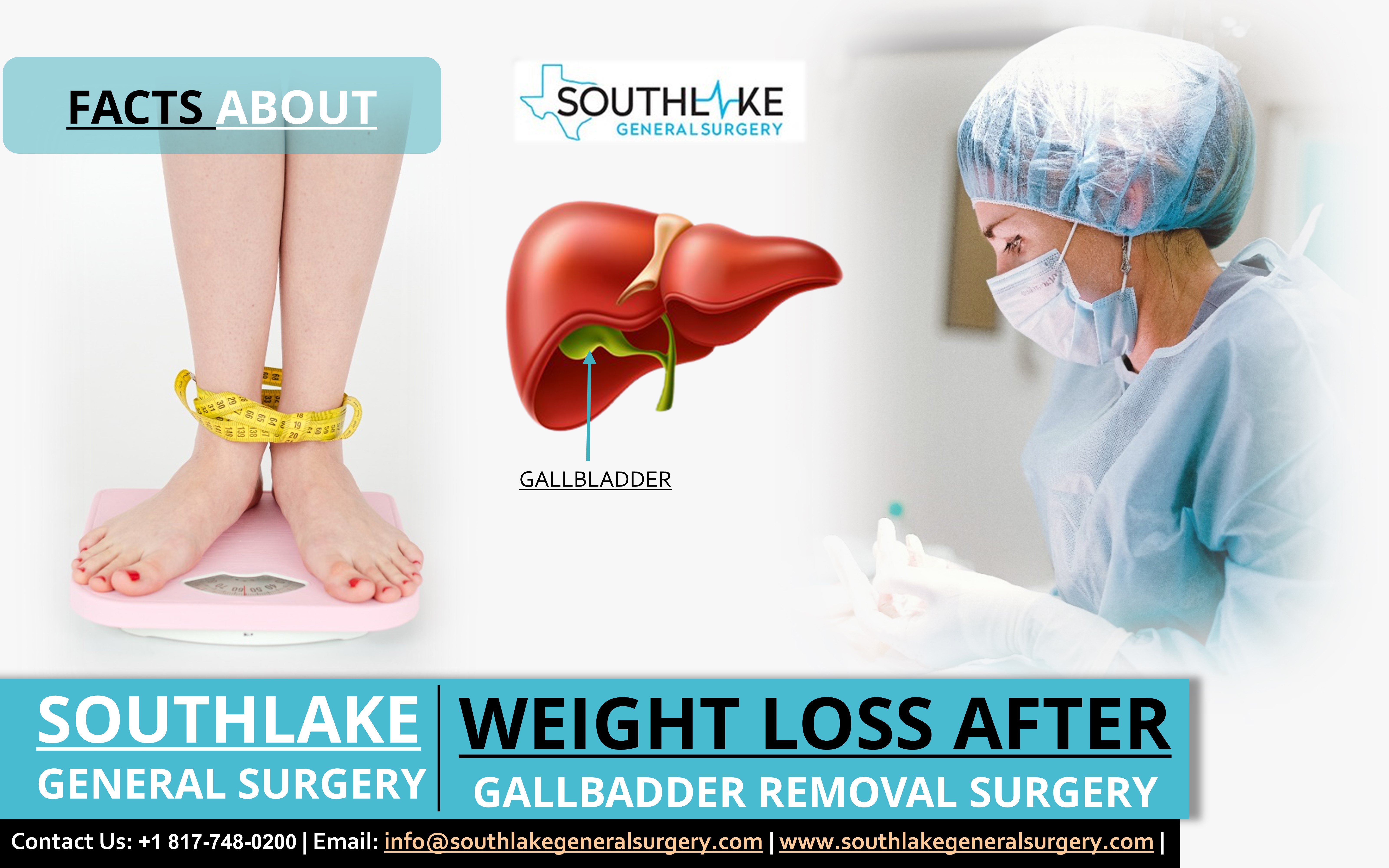
The gallbladder is a small organ located upper right underneath the liver. The gallbladder stores bile produced by the liver and bile moves to the small intestines to help digest the food. If an individual is diagnosed with gallstones, then the most recommended treatment is gallbladder removal surgery.
Read More →
A complete nutritional diet that keeps the gallbladder healthy that becomes the gallbladder diet. A healthy meal can help protect gallbladder health, whereas others may cause certain medical problems such as gallstones and gallbladder inflammation.
Read More →
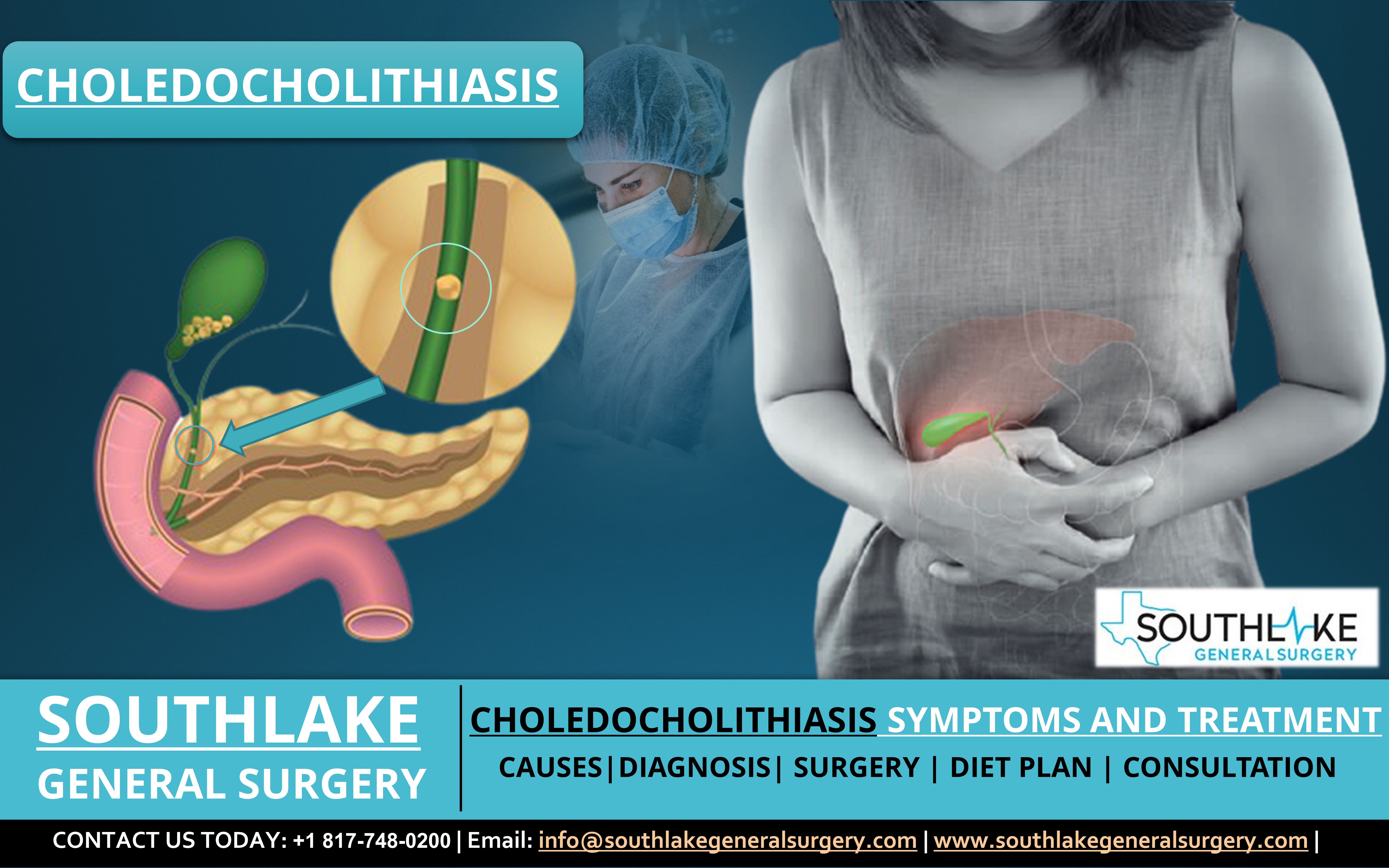
The presence of gallstones in the bile common bile duct (also known as bile duct stones or gallstones in the bile duct) in medical terms is called Choledocholithiasis. The bile duct is the small tube that conveys bile from the gallbladder to the small intestine.
Read More →
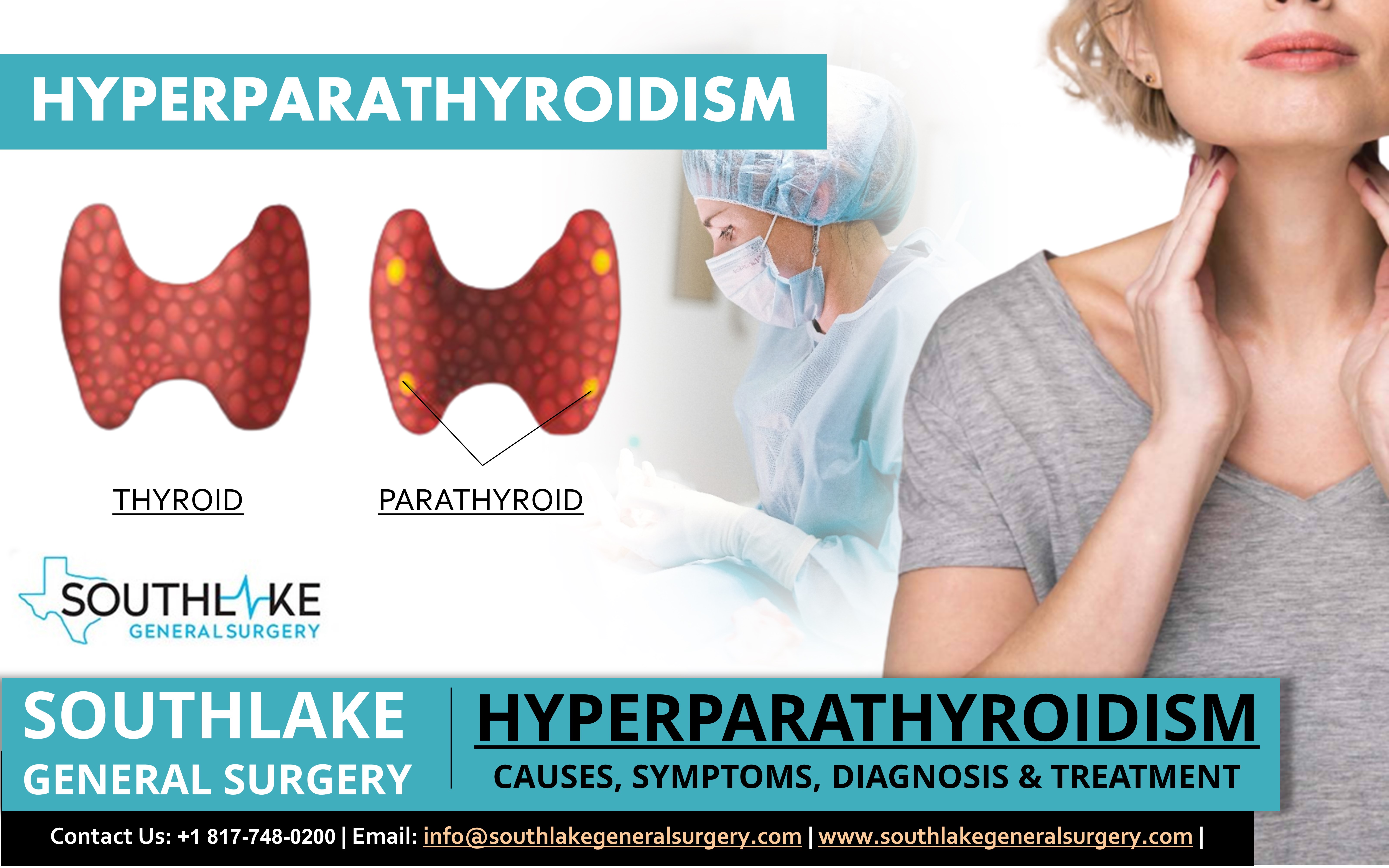
Hyperparathyroidism is a condition when our body produces excess calcium in blood and tissues. Your body needs calcium, but a high level of calcium is not good for our body. It has no relevance to how much calcium you consume through dairy products.
Read More →
A strangulated hernia is a perilous ailment. Fatty tissue or a part of the small intestines pushes through a debilitated space of the abdominal muscle. The nearby muscle then locks down all over the tissue, blocking the blood circulation to the small intestine.
Read More →
A hiatal hernia is one more sort of hernia that occurs when the upper portion of the stomach pushes over the diaphragm and into the chest area.
Read More →
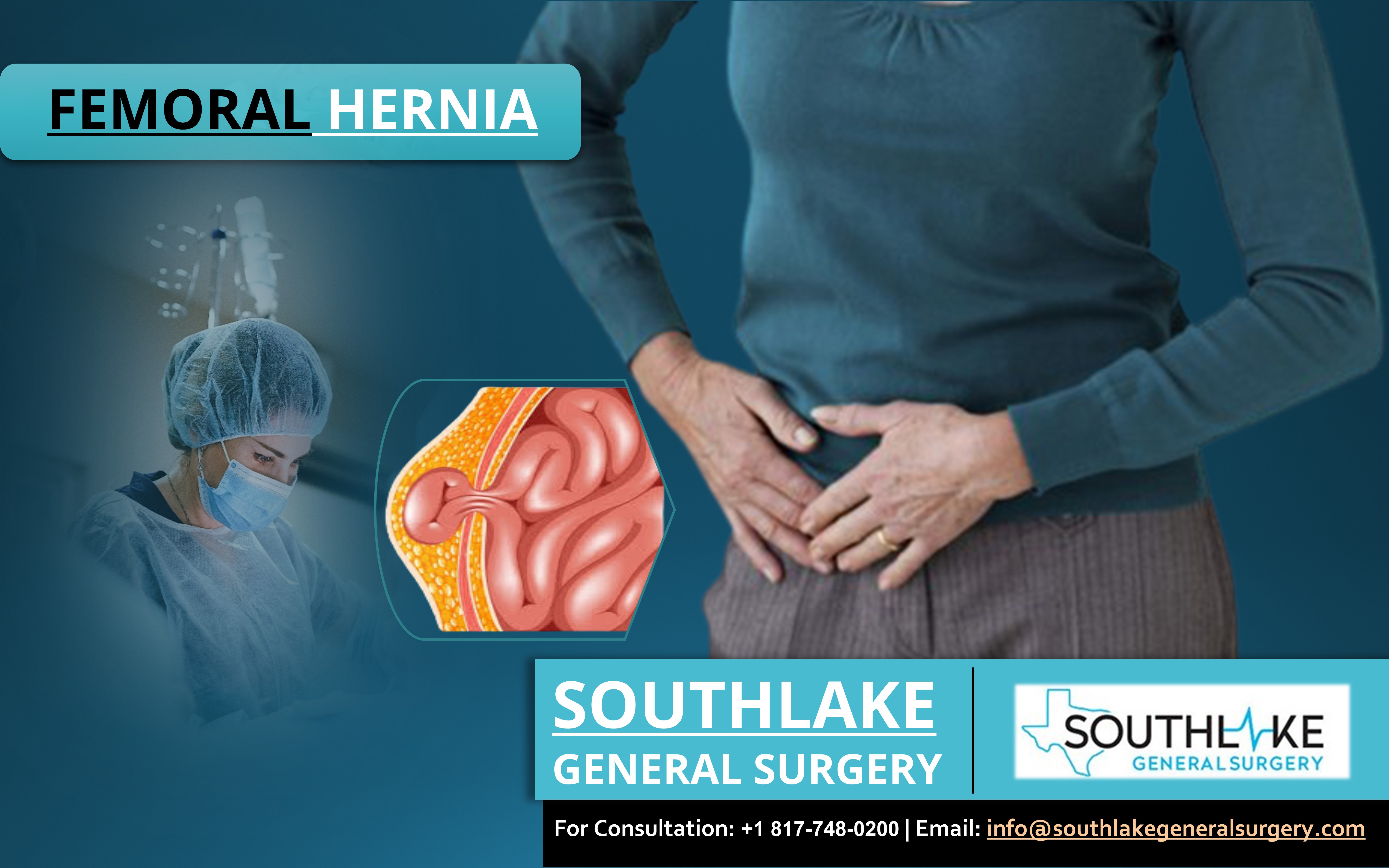
Our abdominal muscles are strong enough to hold the
intestines and other organs at their right spots. At times, the intra-abdominal
tissues can be pushed through a debilitated spot in muscle during overstretching.
In case a part of tissue pushes through the mass of the femoral canal, it is
known as a femoral hernia also called a femorocele.
Read More →
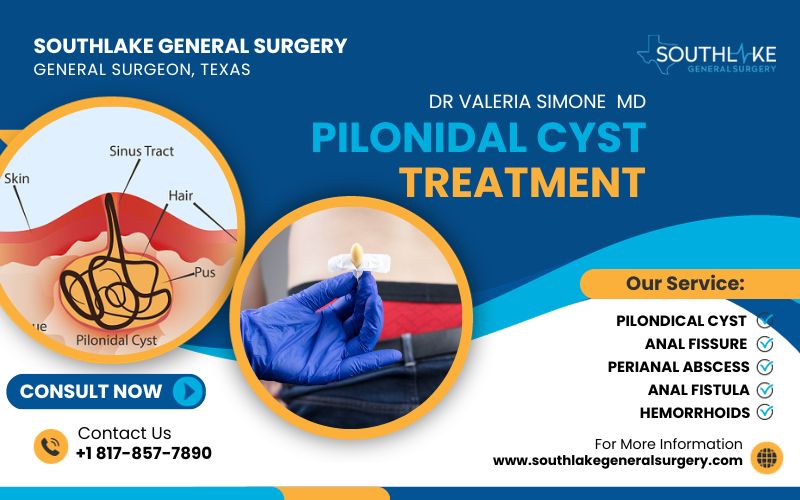
Unusual skin growth is a kind of cyst at the lower part of the tailbone or coccyx that contains skin, hair, and pus, known as a pilonidal cyst. Once this cyst is infected, medically it is known as a “pilonidal abscess.”
Read More →
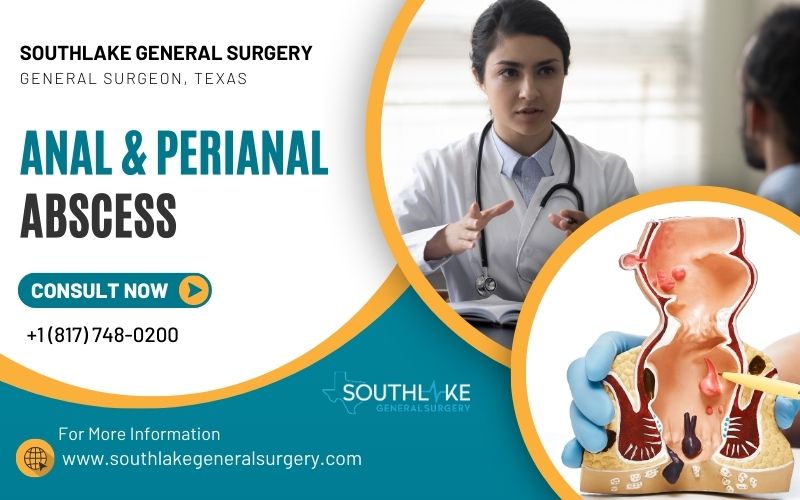
An anal abscess is a condition in which pus forms near the
anus and it is a painful condition. Many of them lead to infection from small
anal glands.
Perianal abscess is the most well-known form of an abscess. At times, it develops as a painful lump that looks like swelling close to the anus. A perianal abscess may appear red in color and warm to the touch.
Read More →
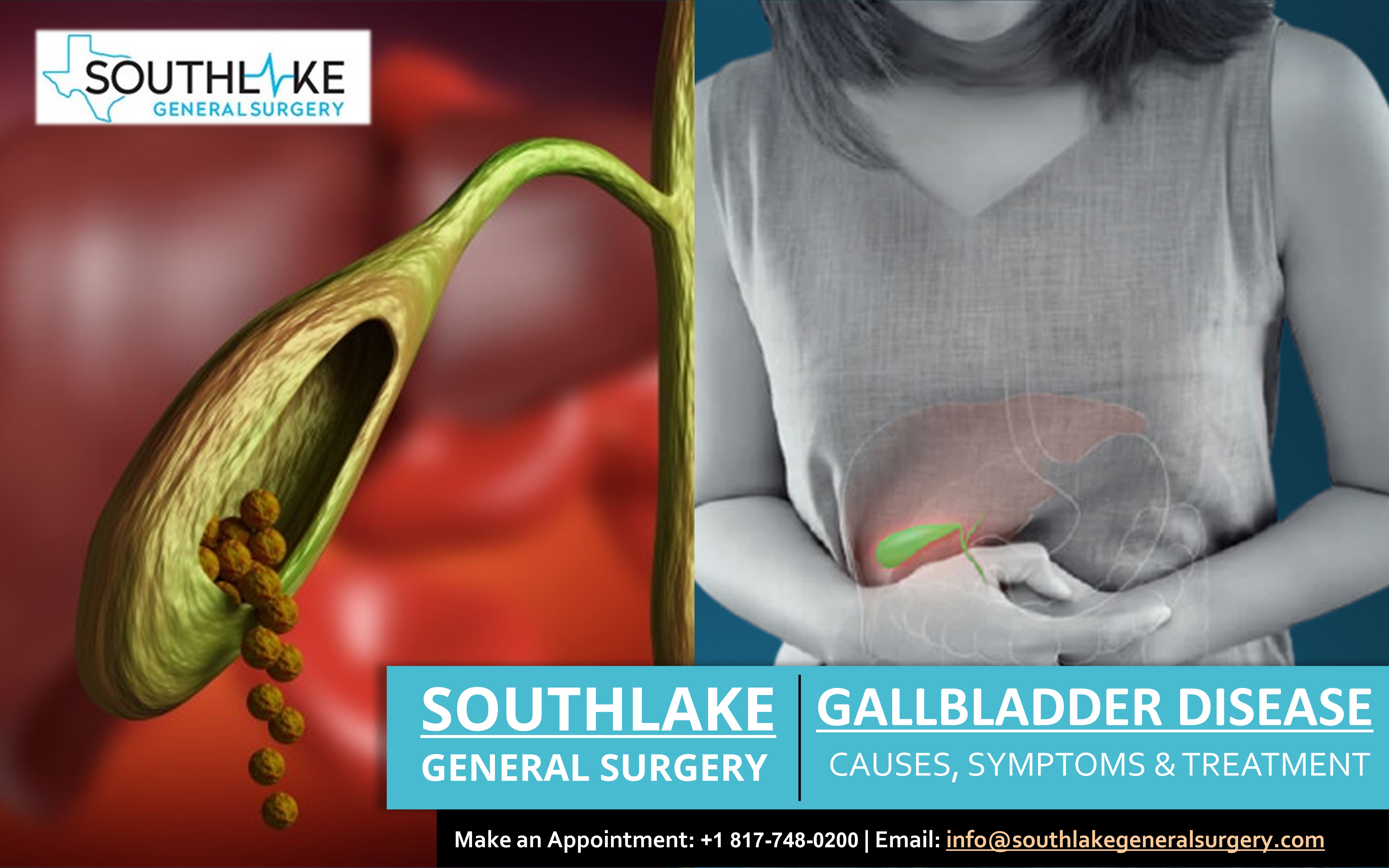
Gallbladder disease is a sickness caused by many kinds of conditions that can influence the gallbladder. The gallbladder is a small, pear-shaped organ located under the liver that helps store bile developed by the liver and passes the bile to the small intestines to process the fats. Let’s explore more about the gallbladder.
Read More →
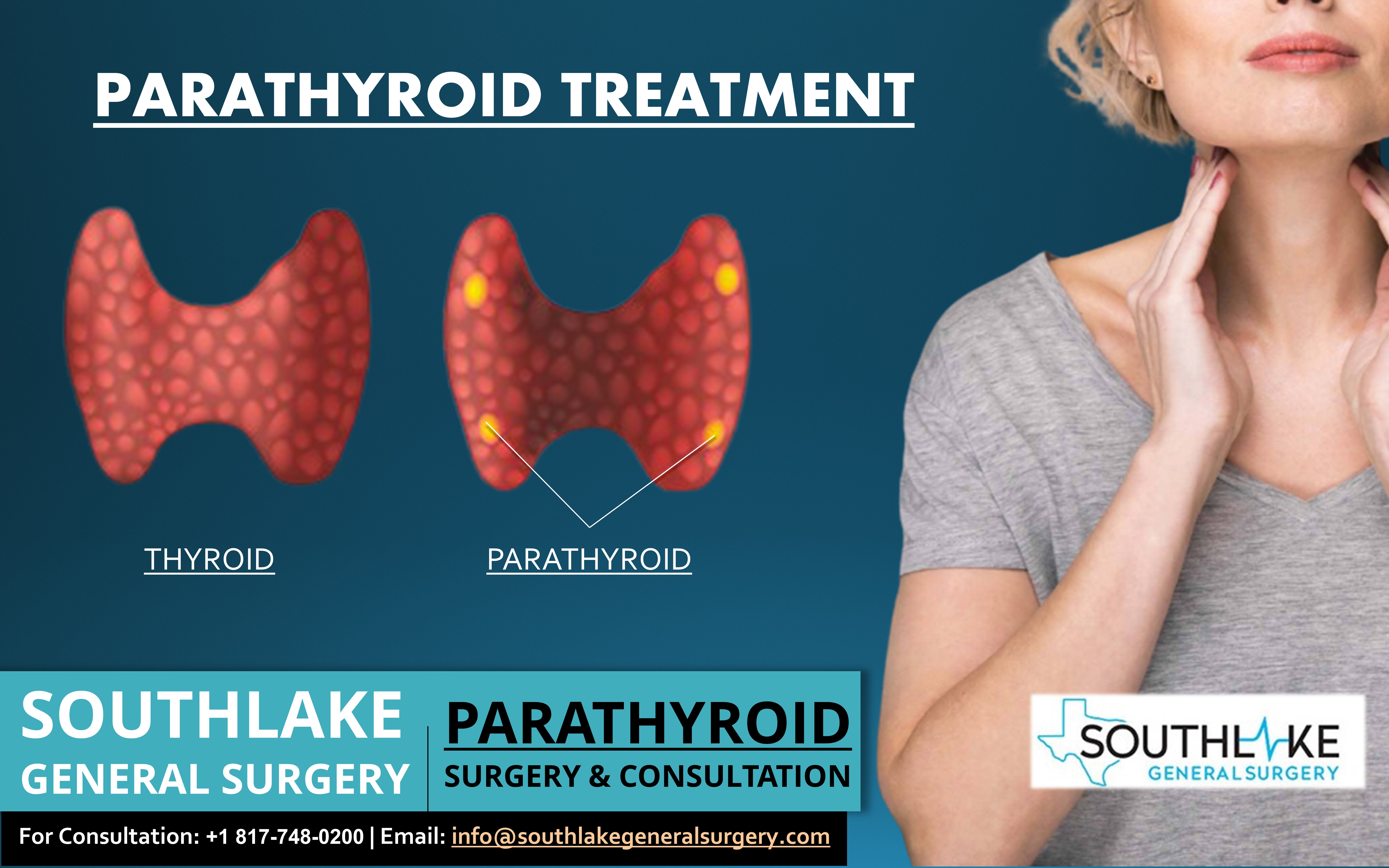
The parathyroid glands are four small glands like the thyroid,
located in the neck and close to the spine. These glands produce parathyroid
hormone (PTH) that manages calcium levels and other minerals present in our
blood.
Read More →
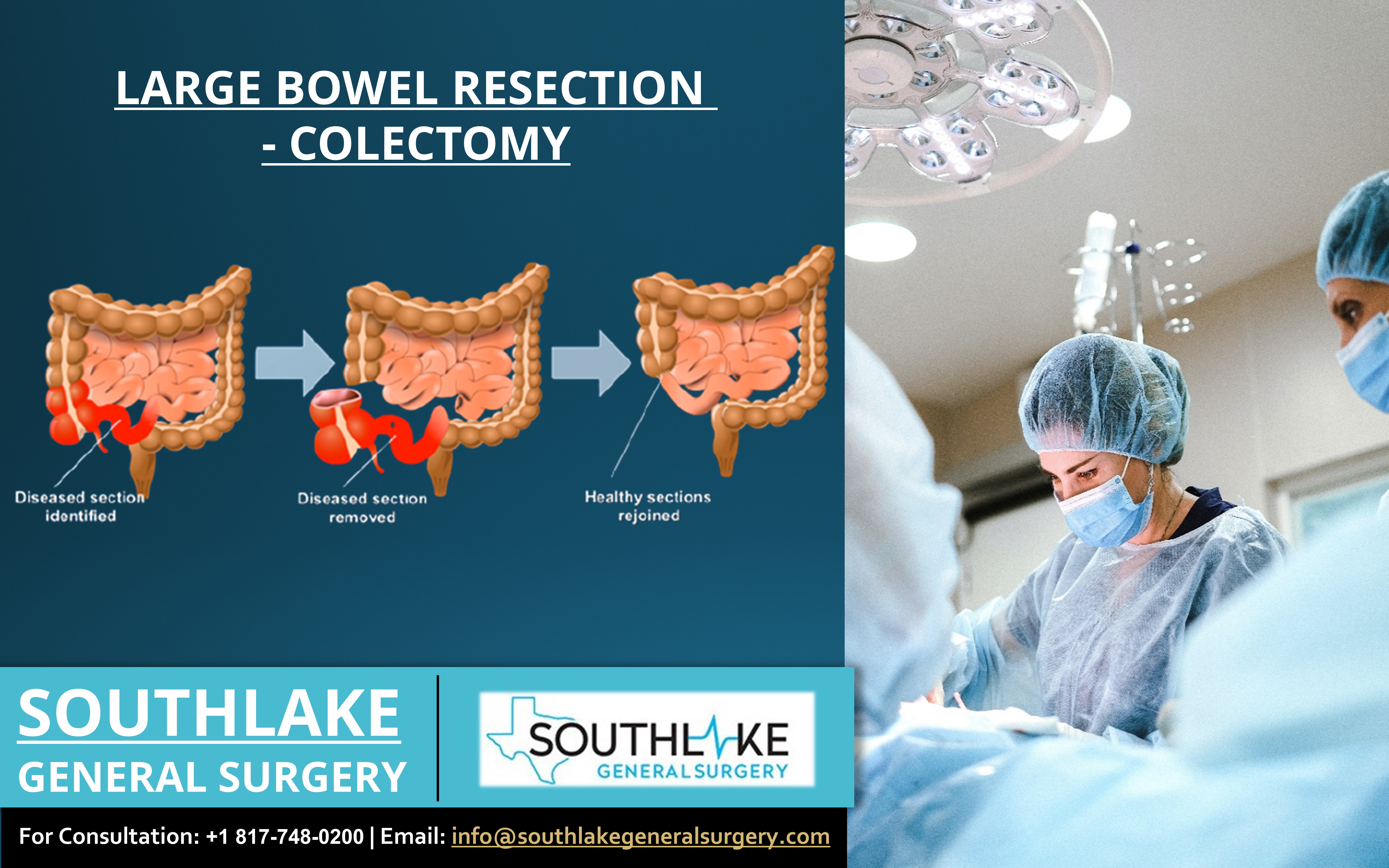
Colectomy is also called large bowel resection. The objective of large bowel resection is to remove the infected area of the large bowel which is also known as the colon or large intestine.
Read More →